
For any serious enthusiast, the connection to their virtual race car is paramount. While a quality wheel provides the steering, the pedals offer nuanced control over acceleration and braking, which is often where lap times are won and lost. The term “hydraulic sim pedals” has become a popular search for racers seeking the pinnacle of realism. However, the technology landscape is broader and more complex.
This comprehensive guide serves as a purely informational resource for, demystifying the technology behind high-performance pedals. We will explore the differences between hydraulic, load cell, and magnetic systems and provide a detailed analysis of several popular models on the market. The goal is to equip you with the knowledge needed to understand what defines a premium pedal set.
Understanding Sim Racing Pedal Technology: Hydraulic vs. Load Cell vs. Magnetic
To make an informed decision, it’s crucial to understand the core technology that drives pedal input. The primary distinction lies in how the brake pedal measures and translates your foot pressure into in-game action.
What Are True Hydraulic Sim Pedals?
True hydraulic systems are the closest commercial equivalent to those found in a real race car. They use a master cylinder to pressurize a fluid-filled line connected to a slave cylinder and a pressure sensor.
- How it works: The force applied to the pedal creates hydraulic pressure, and this pressure reading is sent to the game.
- Feel: This provides an exceptionally authentic feel, mimicking the resistance of a real brake caliper clamping down on a rotor. They are known for their nuanced feedback, which is critical for advanced techniques like trail braking.
- Market Position: These are typically found in the premium, high-end segment of the market from specialized manufacturers.
What Are Load Cell Pedals?
Load cell technology is the most common feature in mid-range to high-end sim racing pedals. Instead of measuring the distance the pedal travels, a load cell measures the force or pressure you apply.
- How it works: A load cell is a transducer that converts pressure into a measurable electrical signal. The harder you press, the more braking input is registered.
- Feel: This is a significant leap from entry-level pedals because it relies on muscle memory, which is far more consistent than remembering pedal travel distance. It allows for much greater precision and consistency under braking.
- Market Position: This technology represents the “sweet spot” for most serious sim racers, offering a massive performance gain over more basic systems.
What Are Magnetic & Hall Effect Pedals?
Magnetic, or Hall Effect, sensors are a modern, durable alternative to traditional potentiometers. They use magnets and sensors to detect the position of the pedal without any physical contact between the moving parts.
- How it works: As the pedal moves, the magnet’s position relative to the sensor changes, generating a precise signal.
- Feel: The feeling is exceptionally smooth and consistent over time because there are no mechanical parts to wear out, unlike potentiometers which can degrade and cause “spiking” or jittery inputs.
- Market Position: This technology is common for throttles and clutches in high-quality pedal sets and is used for brakes in many excellent entry-to-mid-range products.
Expert Insight: The leap from pedals that measure travel distance (potentiometer/magnetic) to pedals that measure force (load cell/hydraulic) is arguably the single most important hardware upgrade for improving consistency and lap times in sim racing games.
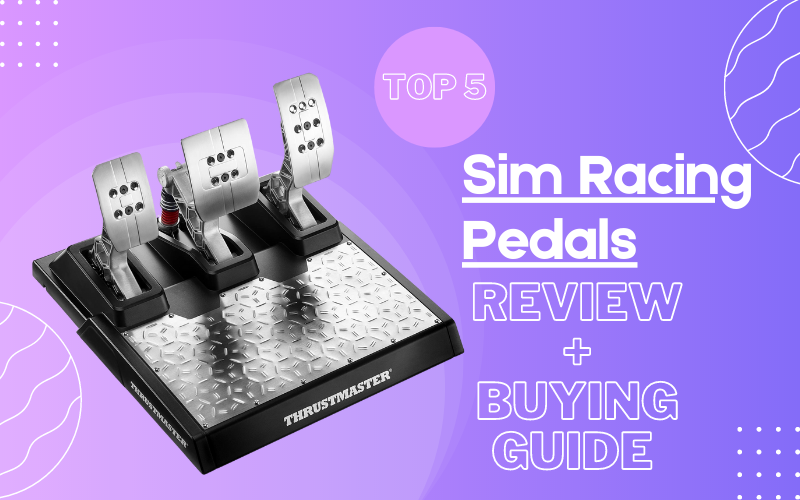
Comparative Analysis of High-Performance Sim Pedals (2025)
This table provides a side-by-side comparison of the models discussed in this guide. Note that while the initial query might be for “hydraulic” pedals, most popular high-performance options utilize load cell or magnetic technology.
| Feature | Thrustmaster T-LCM | PXN V9 Pedals | Thrustmaster T-3PM | Fanatec ClubSport V3 | PXN V10 Pedals |
| Brake Technology | Load Cell | Potentiometer | Magnetic (H.E.A.R.T) | Load Cell | Hall Effect Sensor |
| Max Brake Force | Up to 100 kg (220 lbs) | N/A (Travel-based) | N/A (Travel-based) | 90 kg (Adjustable) | N/A (Travel-based) |
| Clutch Included | Yes | Yes | Yes | Yes | Yes |
| Throttle Technology | Magnetic (H.E.A.R.T) | Potentiometer | Magnetic (H.E.A.R.T) | Magnetic (Hall Sensor) | Hall Effect Sensor |
| Construction | Metal Heads & Arms | Primarily Plastic | Metal Heads, Plastic Base | Full CNC Aluminum | Metal Plates, Plastic Base |
| Adjustability | 6 Springs, Pedal Height & Spacing | Pedal Face Angle | 4 Springs, Pedal Height | Pedal Face, Angle, Travel, Stiffness, Damper | Pedal Face, Spring Tension |
| PC Compatibility | Yes | Yes | Yes | Yes | Yes |
| Console Compatibility | Yes (with compatible Thrustmaster wheel base) | PS4, Xbox One, Switch | Yes (with compatible Thrustmaster wheel base) | Yes (with compatible Fanatec wheel base) | PS4, Xbox One/Series X |
| Software | Yes (Calibration Tool) | No | No | Yes (Driver/FanaLab) | Yes (PXN App) |
| Current Status | Available | Available (as part of V9 bundle) | Available | Discontinued/Limited Availability | Available (as part of V10 bundle) |
| Primary Use Case | Mid-range, serious enthusiast | Entry-level, all-in-one package | Upgraded bundle pedal set | High-end enthusiast (legacy) | Entry-level FFB, all-in-one package |
Detailed Review of Popular Sim Racing Pedal Sets
Here we provide an objective analysis of each specific pedal set, focusing on its technology, build, and ideal user.
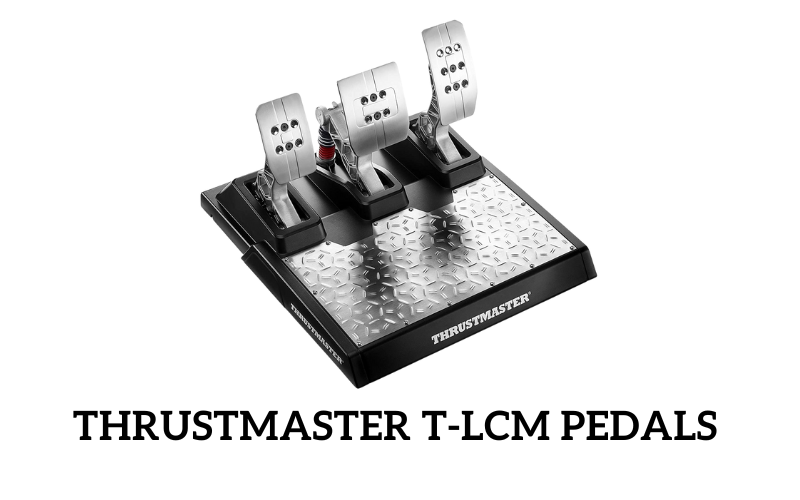
1. Thrustmaster T-LCM Pedals
The Thrustmaster T-LCM has established itself as a benchmark for sim racers looking to make the jump to a load cell system without entering the high-end boutique market. It offers premium features at a highly accessible price point.
Technical Specifications
- Brake Technology: Load cell sensor, capable of withstanding up to 100 kg of pressure.
- Throttle & Clutch: Contactless magnetic H.E.A.R.T. (HallEffect AccuRate Technology) sensors.
- Construction: 100% metal pedal heads and arms, mounted to a sturdy plastic base with a large, textured metal footrest.
- Adjustability: Includes a set of 6 springs to modify brake pedal feel and resistance. Pedal height, inclination, and spacing are independently adjustable.
Analysis
The T-LCM’s main value is its load cell brake. This feature alone provides a significantly more realistic and consistent braking experience compared to travel-based systems, enabling better muscle memory development. The use of magnetic sensors for the throttle and clutch ensures a long lifespan with no degradation in precision, a common issue with potentiometer-based pedals.
The included spring set allows for a high degree of customization right out of the box. Users can configure the brake to feel soft like a road car or much stiffer to emulate a GT-style car, which is a critical part of a proper sim racing setup guide.
Key Considerations
- Ideal For: Sim racers upgrading from entry-level gear who want the performance benefits of a load cell without a massive financial commitment.
- Considerations: The base is primarily plastic, and while robust, it requires solid mounting to a sim racing cockpit or wheel stand to handle the 100 kg of force without flexing.
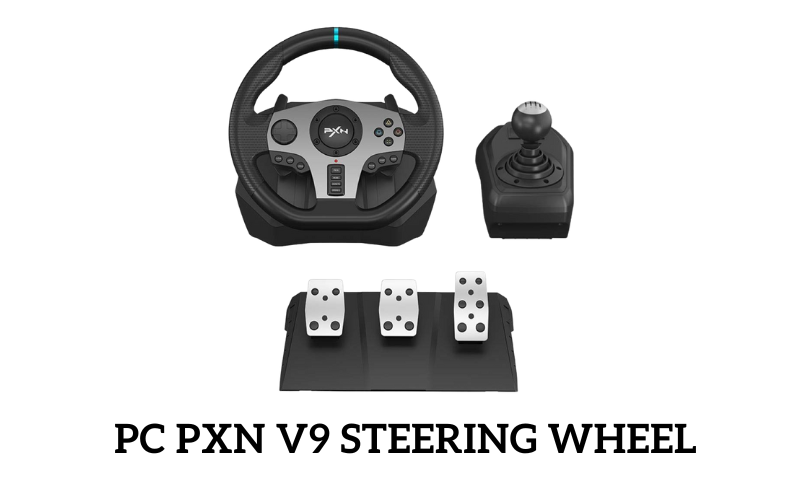
2. PXN V9 Steering Wheel & Pedal Set
The PXN V9 is an all-in-one, entry-level package that includes a steering wheel and a three-pedal set. It is important to note these pedals are not sold separately and utilize basic technology.
Technical Specifications
- Brake Technology: Potentiometer (measures travel distance).
- Throttle & Clutch: Potentiometer.
- Construction: Entirely plastic construction with small metal pedal faces.
- Adjustability: The pedal unit has an extendable plastic base for stability and adjustable pedal faceplates.
Analysis
The PXN V9 pedal set is designed for beginners and casual players. The system is plug-and-play and offers a three-pedal configuration (throttle, brake, clutch) at a very low cost of entry. The primary technology is potentiometer-based, meaning the game reads the distance each pedal is pressed, not the force. While functional for getting started, this technology lacks the precision required for consistent, high-level sim racing. It is a suitable option for those just starting their journey with drifting games or arcade racers.
Key Considerations
- Ideal For: Absolute beginners, young gamers, or those on a very strict budget needing a complete wheel and pedal solution.
- Considerations: This is not a high-performance or hydraulic system. The plastic construction and potentiometer technology are not intended for serious, competitive sim racing.
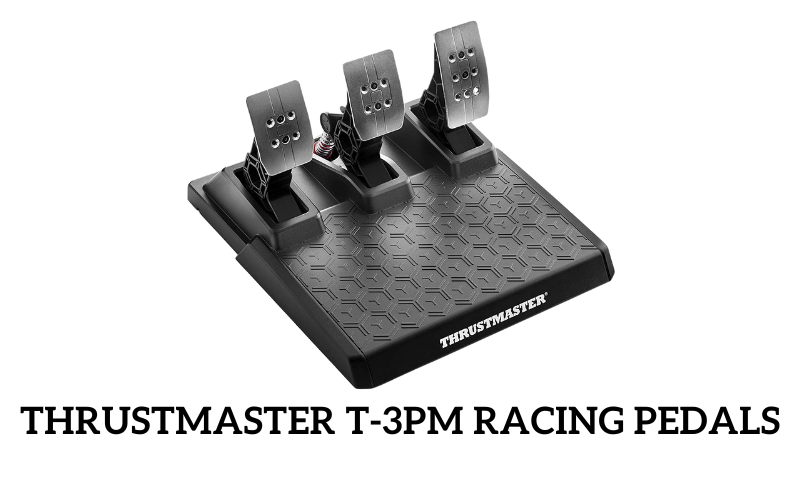
3. Thrustmaster T-3PM Pedals
The Thrustmaster T-3PM is the successor to the popular T3PA pedals and is often bundled with Thrustmaster’s mid-range racing wheels like the T248. It represents a significant technological step up from potentiometer-based pedals.
Technical Specifications
- Brake Technology: Magnetic (H.E.A.R.T) sensor with four available pressure modes (spring combinations).
- Throttle & Clutch: Magnetic (H.E.A.R.T) sensors.
- Construction: Metal pedal heads with a weighted plastic base.
- Adjustability: Pedal head height and inclination can be adjusted. Includes different springs to alter brake pedal resistance.
Analysis
The key feature of the T-3PM is the use of magnetic sensors on all three pedals. This ensures a much longer lifespan and greater reliability than potentiometers, as there are no parts making physical contact to wear out. While the brake is still travel-based, the included springs allow the user to modify the required force, offering a degree of personalization. For anyone using a Thrustmaster ecosystem, this is a solid and reliable pedal set that offers a smooth and precise experience, and some may find it a worthy upgrade over older, entry-level kits. If you need to troubleshoot or configure them, learning how to calibrate Thrustmaster pedals is a straightforward process.
Key Considerations
- Ideal For: Entry to mid-level racers, especially those already invested in the Thrustmaster ecosystem.
- Considerations: This is not a load cell pedal set. While the magnetic technology is excellent for longevity and smoothness, the brake still registers input based on travel distance, not pressure.
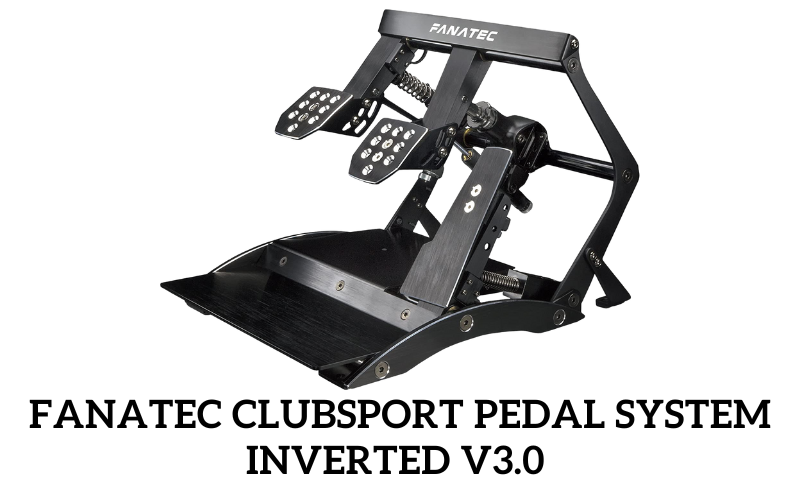
4. Fanatec ClubSport Pedals V3
The Fanatec ClubSport Pedals V3 were a long-standing favorite among serious sim racers, known for their robust all-metal construction and high degree of adjustability. They have been largely superseded by newer models in the Fanatec lineup.
Technical Specifications
- Brake Technology: 90 kg adjustable load cell sensor.
- Throttle & Clutch: Contactless Hall sensors.
- Construction: Full CNC-machined aluminum construction.
- Adjustability: Highly adjustable pedal positions, angles, spring stiffness, and travel. Compatible with an optional damper kit for the brake and throttle. Features vibration motors on the brake and throttle for ABS and traction control feedback.
Analysis
For years, the ClubSport V3s were a go-to for enthusiasts seeking a premium experience. The full metal build provides exceptional rigidity and durability. The 90 kg load cell allows for fine and consistent brake modulation. A unique feature was the inclusion of vibration motors on the brake and throttle pedals, which could provide tactile feedback for wheel lock-up and loss of traction in supported sim racing games.
Key Considerations & Current Alternatives
- Ideal For: Enthusiasts who can find a set in good condition on the second-hand market or remaining new-old stock.
- Considerations (Discontinued Product): The ClubSport Pedals V3 are largely discontinued and have been replaced by more modern offerings from Fanatec.
- Current Alternative: The Fanatec CSL Elite Pedals V2 are the logical successor in a similar performance bracket. They offer a refined load cell system, Hall sensors on the throttle and clutch, and excellent adjustability, representing Fanatec’s current-generation technology for this market segment.
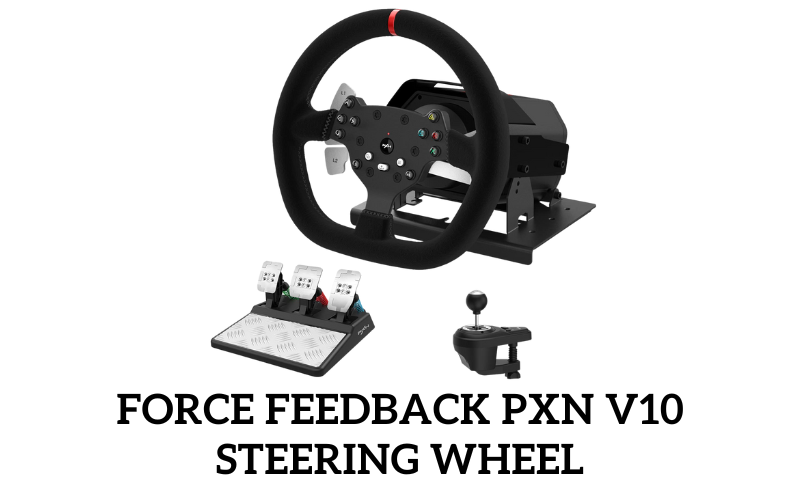
5. PXN V10 Force Feedback Wheel & Pedal Set
The PXN V10 is another all-in-one package that represents a step up from the V9 by including a force feedback wheel. The included pedals offer a corresponding step up in technology from the V9’s potentiometers.
Technical Specifications
- Brake Technology: Hall Effect sensor (measures travel distance).
- Throttle & Clutch: Hall Effect sensors.
- Construction: Metal pedal plates with a primarily plastic base.
- Adjustability: Pedal plate positions can be adjusted, and pedal strength can be modified via software and a physical knob.
Analysis
The PXN V10 pedal set improves upon the entry-level V9 by incorporating Hall Effect sensors. This is a notable upgrade, as it removes the mechanical wear-and-tear components of potentiometers, leading to a much longer product life and consistent input. While the braking is still based on the travel of the pedal, the contactless technology ensures that the input remains smooth and precise over years of use. For those purchasing a complete entry-level force feedback setup, this is a very capable pedal set.
Key Considerations
- Ideal For: Beginners who want a complete, ready-to-race force feedback setup and value the durability of contactless sensors.
- Considerations: This system is not a load cell or hydraulic set. The braking performance, while reliable, does not offer the muscle-memory advantages of a pressure-based system.
How to Choose the Right Sim Racing Pedals for Your Setup
Selecting the appropriate pedals involves more than just picking the most expensive option. It requires a clear understanding of your goals, existing equipment, and budget.
Braking Technology: The Core Difference
This is the most critical factor.
- Potentiometer/Magnetic: Best for casual racing and beginners. They measure how far you press the pedal.
- Load Cell/Hydraulic: Essential for consistent, competitive racing. They measure how hard you press the pedal, which is easier for your brain to learn and repeat. This is a key factor in how to get faster in sim racing.
Build Quality and Materials
Durability is key, especially for brake pedals that will endure immense repetitive force.
- Plastic: Common in entry-level sets. Can be prone to flex under heavy braking, which can lead to inconsistent inputs.
- Metal/Aluminum: The standard for mid-to-high-end pedals. Provides the rigidity needed to handle high braking forces and ensures longevity.
Adjustability and Ergonomics
The ability to tailor the pedals to your body and driving style is crucial for comfort and control. Look for adjustments in:
- Pedal Spacing: The distance between pedals.
- Pedal Face Angle/Height: Allows you to fine-tune the contact point with your feet.
- Stiffness/Resistance: The ability to change springs or elastomers to alter the force required.
Platform & Ecosystem Compatibility
Ensure the pedals you choose will work with your system.
- Standalone USB: Many PC pedals connect directly via USB and work with any wheel.
- Ecosystem Dependent: Some pedals (especially for console use) must be plugged into a compatible wheelbase from the same brand (e.g., Fanatec, Thrustmaster). Always verify compatibility with your specific PC, PlayStation, or Xbox setup.
Frequently Asked Questions (FAQ)
Are hydraulic sim pedals better than load cell pedals?
Hydraulic pedals can offer a more authentic and nuanced braking feel that is technically closer to a real car. However, high-quality load cell pedals provide a very similar performance benefit—translating force into input—at a more accessible price point. For most sim racers, a good load cell is a massive upgrade and offers a near-identical competitive advantage.
Do sim racing pedals need vibration feedback?
Vibration feedback, like that found on the Fanatec ClubSport V3 pedals, is a “nice to have” feature rather than a necessity. It can add immersion and provide tactile cues for things like ABS engagement or tire slip. However, a high-quality braking system (load cell or hydraulic) is far more important for performance than haptic feedback in the pedals themselves. Many racers prefer to get this feedback through their direct drive wheels or chassis-mounted tactile transducers.
How much force is needed for a load cell brake?
Most load cell pedals offer a wide range of resistance. Sets like the Thrustmaster T-LCM can be configured with different springs to require anywhere from ~20kg to 100kg of force for maximum braking. The ideal setting is subjective, but GT and formula-style racing typically use much stiffer settings than road car simulation.
Can new pedals make you faster in sim racing?
Upgrading from entry-level, potentiometer-based pedals to a load cell set is one of the most effective hardware changes for improving lap times. The ability to brake consistently and modulate pressure based on muscle memory, rather than pedal travel, drastically reduces mistakes and allows you to brake later and harder with more confidence.
What is the main benefit of upgrading from entry-level pedals?
The primary benefit is consistency. Load cell and hydraulic brakes use pressure sensitivity, which aligns with how you brake in a real car. Your body builds muscle memory for the force required, not the distance your ankle moves. This leads to fewer lock-ups, better trail braking, and ultimately, more consistent and faster performance on the track.

With a background in mechanical engineering and over a decade in competitive sim racing, Kenji serves as our lead Sim Racing Physics & Hardware Analyst. He deconstructs complex topics like force feedback and suspension geometry, helping readers understand the crucial engineering behind a perfect lap time. Kenji’s passion is to translate real-world motorsport principles into actionable knowledge for the sim racing community.